We live in a culture that praises productivity, high achievement, polished exteriors, relentless ambition and strength. Social media reinforces this pressure by rewarding curated perfection, the flawless morning routine, the constant hustle, the image of having everything under control. We are taught to hold it all together, be the reliable person for everyone else, and pretend we have everything figured out. But for many adults, behind that successful professional veneer or academic drive lies a quiet, exhausting reality.
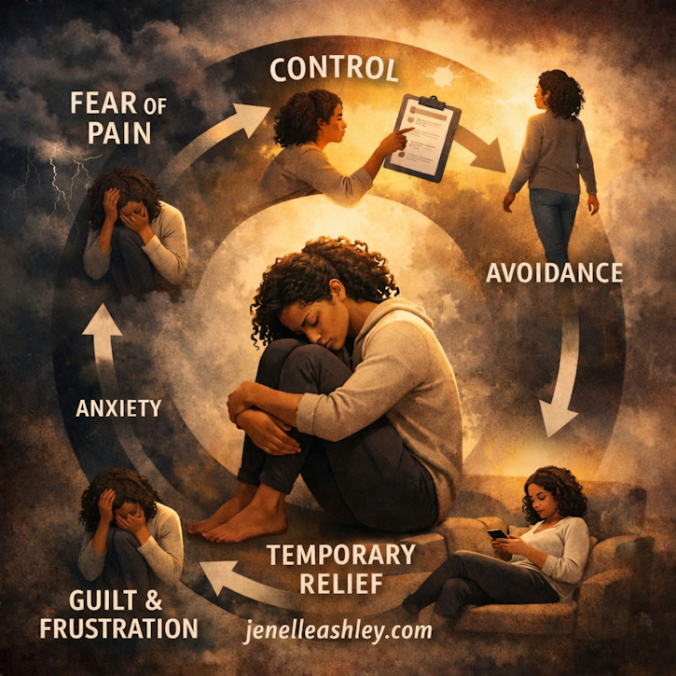
When life experiences bring us hurt, rejection, or structural burnout, your natural instinct is self-protection. To survive, you look for ways to have absolute control over your environments, your thoughts, your schedules, and your presentations. You tell yourself that if you can just manage every outcome perfectly, you can keep yourself safe.
But control is an exhausting illusion.
Trying to manage every outcome often becomes a way to hide your true thoughts and feelings. You may pour your daily energy into avoiding pain, pushing down memories, or suppressing uncomfortable emotions. This emotional avoidance is common in anxiety therapy and trauma therapy, but it comes at a heavy cost.
By trying to prevent yourself from feeling pain, you build invisible walls around your life. Over time, those walls trap you in repeating loops of stress, anxiety, depression, perfectionism, and self‑doubt. The very tools you used to protect yourself become the things that isolate you.
Why Control Feels Safe – But Keeps You Stuck
Control feels comforting because it creates the illusion of predictability. When you’ve been hurt, overwhelmed, or unsupported, control becomes a shield. But shields are heavy.
Eventually, the pressure to maintain control becomes its own source of suffering. You may notice your body tense, your mind race, or your emotions shut down as you try to stay ahead of discomfort. This is the exhausting cycle many adults fall into, especially those who appear outwardly successful.
Healing doesn’t happen by fighting harder for control. It happens when you create a space safe enough to stop running.
How Therapy Helps You Step Out of Survival Mode
Therapy is not about being fixed. It is a collaborative, nonjudgmental space built entirely around your pace. It’s a place where you can finally take off the heavy armor, let down your guard, and make sense of your true feelings.
In therapy, you learn flexible ways to respond to stress instead of relying on old survival strategies. You begin to understand your internal patterns, soften emotional avoidance, and build a more grounded relationship with yourself.
You do not have to carry this weight alone anymore.
Final Thoughts
If you are exhausted from trying to have control over everything just to hide your true feelings or push down your pain, it does not mean you are failing or broken. It simply means you have been working incredibly hard to protect yourself from hurt for a very long time.
You can learn how to safely lower your guard, step out of survival mode, and step into emotional flexibility. If you are noticing how heavy it is to carry everything alone, therapy can help you make sense of your internal patterns and build lasting ease.
If you are ready to begin therapy, I offer therapy for adults anywhere in Florida. You can learn more about my approach, clinical specialties, and private‑pay options on my Services & Rates page.
Ready to Begin?
If you are ready to start therapy or have questions about working together, I would love to connect with you.